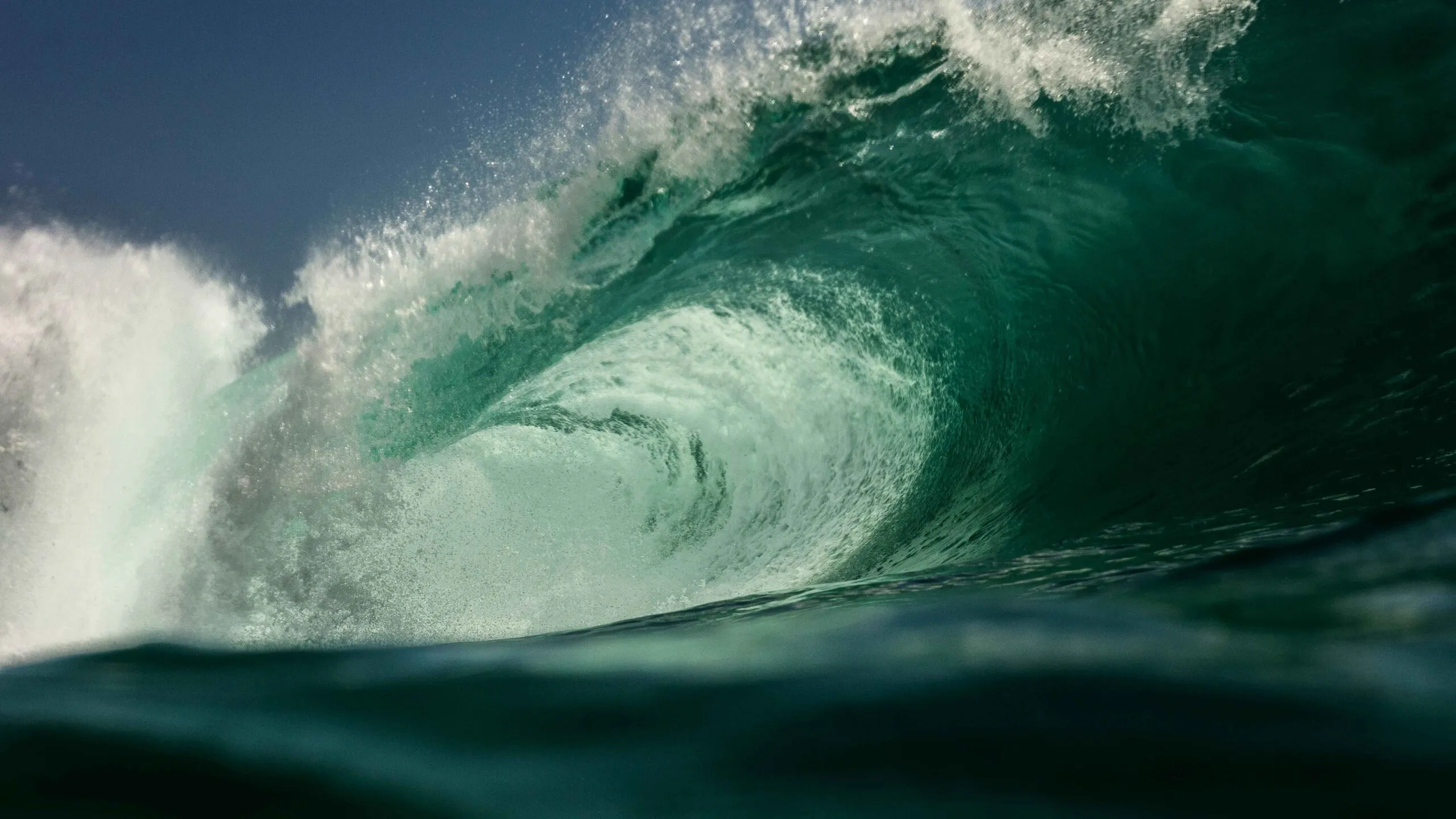
Surfing is an exciting sport that lets you feel the true power of the ocean. Whether you are new to the water or ready to push yourself further with a big wave, building solid technique and confidence is vital. This guide will walk you through the essential steps that help you move from riding small swells to developing the skills needed for big wave surfing.
Understanding Big Wave Surfing
Big wave surfing is about far more than the height of the wave. It calls for strong skills, solid fitness and a deep understanding of the ocean. Smaller waves are ideal for learning the basics, but a big wave requires a higher level of control and careful preparation. If you want to ride larger waves with confidence, you need to develop both your physical ability and your mental resilience.
Building Your Foundation: Mastering the Basics
Before tackling big waves, it is crucial to have a strong foundation in surfing. Here are a few key aspects to focus on:
- Paddling Efficiency
The ability to paddle efficiently is vital for positioning yourself correctly and conserving energy. - Pop-Up Technique
A smooth and quick pop-up ensures you get to your feet swiftly, reducing the chances of wiping out. - Wave Selection
Learning how to identify the right waves to ride can make a huge difference in your progress. - Balance and Stance
A solid stance improves stability, allowing you to control your board effectively.
By refining these skills in smaller waves, you will be better prepared when the surf size increases.
Developing Strength and Stamina
A big wave requires a strong level of physical fitness, so preparing your body is essential. Focus on the following areas:
- Cardio Training
Swimming and paddling exercises build the endurance needed for long sessions in powerful surf. - Core Strength
A strong core improves balance and stability on the board, which becomes even more important in challenging conditions. - Breath Control
Practising breath-holding techniques can boost your confidence when you are dealing with larger waves. - Flexibility and Mobility
Regular stretching supports better movement and helps reduce the chance of injury.
By adding these exercises to your routine, you will build the strength and resilience needed to perform well in big wave conditions.
Understanding Ocean Conditions
Before taking on big waves, learning about ocean conditions is essential. Consider the following:
- Swell Forecasts
Check wave height, period, and direction to determine the best days for progression. - Rip Currents
Recognising rip currents helps you navigate the ocean safely and avoid dangerous situations. - Tide Changes
Tides affect wave behaviour, so understanding their impact can help you choose the right time to surf. - Wave Breaks
Knowing how waves break allows you to position yourself effectively in the line-up.
Studying these factors will ensure you make informed decisions and stay safe in larger surf.
Gradual Progression to Bigger Waves
Instead of jumping straight into big wave surfing, take a gradual approach:
- Increase Wave Size Slowly – Start by riding slightly larger waves and progress at your own pace.
- Use a Bigger Board – A longer board provides more stability, making it easier to paddle into larger waves.
- Practise Duck Diving – Learning how to duck dive efficiently will help you navigate through bigger sets.
- Gain Experience in Challenging Conditions – Surfing in stronger winds and faster waves builds adaptability.
- Seek Guidance from Experienced Surfers – Learning from those with experience can provide valuable insights and techniques.
Taking small steps will allow you to build confidence and skill without unnecessary risks.
Safety Considerations for Big Wave Surfing
When transitioning to bigger waves, safety should always be a priority. Keep these points in mind:
- Wear the Right Gear
A thicker leash and a buoyant wetsuit can enhance safety. - Never Surf Alone
Always have a surf buddy or someone watching from shore. - Know Your Limits
If conditions feel too extreme, it is okay to wait for a better day. - Practise Wipeout Recovery
Learn how to fall safely and recover quickly after a wipeout.
By prioritising safety, you can push your limits while minimising risks.
Final Thoughts: Enjoy the Journey
Moving from small swells to a big wave is an exciting journey that takes patience, practice and determination. Every session in the water teaches you something new and helps you grow as a surfer. Stay committed, respect the ocean and, above all, enjoy the experience.
If you’re ready to take your surfing to the next level, our expert instructors in Bude, Cornwall, offer personalised surf coaching. Book a lesson today and start conquering the waves!