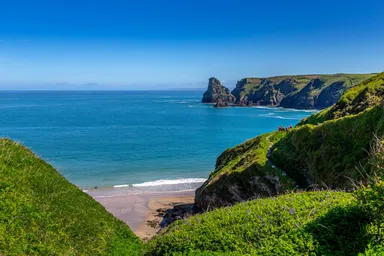
A geography school residential is one of the best ways to help students connect classroom learning with real landscapes. North Cornwall, with its dramatic coastline, distinct geology, and accessible fieldwork sites, offers the ideal setting for hands-on learning. Whether you’re teaching KS3, GCSE, or A-level Geography, this region provides a wealth of opportunities to explore key curriculum modules in meaningful and memorable ways.
Here are the top activities to include in your geography school residential to make the most of everything North Cornwall has to offer.
1. Coastal Fieldwork at Widemouth Bay
No geography residential in North Cornwall would be complete without a focus on the coastline. Widemouth Bay is an excellent fieldwork base, offering a safe, spacious, and easily accessible beach where students can study a range of coastal processes.
Curriculum links:
-
Coastal landscapes
-
Erosion, transportation, and deposition
-
Wave types and coastal management
-
Fieldwork enquiry skills
Students can measure beach profiles, analyse sediment size, and observe longshore drift in action. The beach’s varied sandbanks and exposure to Atlantic swells also allow students to compare how wave energy affects coastal shape. With clear zones for study and plenty of space, Widemouth Bay is ideal for structured data collection.
2. Geological Exploration at Millook Haven
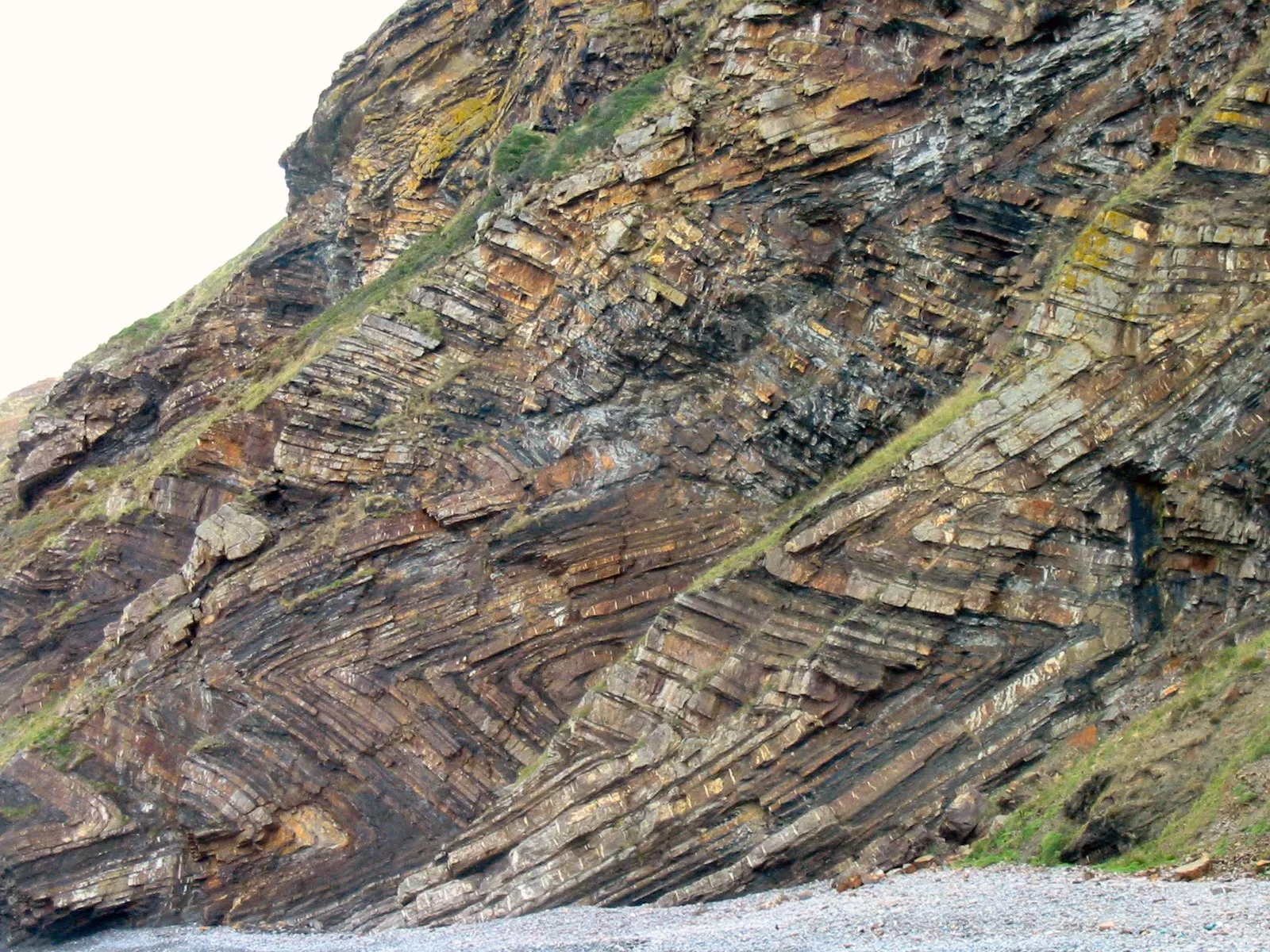
Millook is world-famous for its spectacular zig-zag folds, created by immense tectonic forces millions of years ago. It’s one of the most striking geological formations in the UK and a must-see for any school group.
Curriculum links:
 Millook Haven Cliffs
-
Geological structures
-
Tectonic processes
-
Rock types and formation
-
Landscape evolution
The cliff face at Millook offers a beautiful example of how pressure and movement deep within the Earth shape the landscapes we see today. Students can sketch the folds, examine rock patterns, and discuss how geology influences coastal erosion and landforms. It’s visually impressive, easy for students to understand, and a great way to bring physical geography to life.
3. River Studies at Duckpool or Coombe Valley
North Cornwall isn’t just about coasts. Duckpool, with its small river flowing from Coombe Valley to the beach, provides an ideal location for fluvial fieldwork.
Curriculum links:
-
River processes
-
Channel shape and characteristics
-
Erosion and deposition
-
Fieldwork measurements
Students can measure channel width, depth, velocity, and bedload size, comparing results along different parts of the river. It’s an excellent opportunity for students to see how a river changes from source to mouth and understand how fluvial and coastal environments connect.
4. Weather and Microclimate Investigations
Cornwall’s exposed coastline makes it a fantastic location for studying local weather patterns and microclimates. Students can measure wind speed, temperature variations, humidity, and cloud cover using simple fieldwork equipment.
Curriculum links:
-
Weather and climate (KS3, GCSE)
-
Microclimates
-
Data collection and interpretation
This activity reinforces key skills such as using meteorological instruments and recording primary data. Comparing sheltered valley conditions with open coastal headlands helps students understand how landscape features influence climate at a local level.
5. Ecosystem Studies on the Coast and Clifftops
North Cornwall’s clifftop grasslands, rock pools, and dune systems create rich opportunities for ecosystem studies. Widemouth Bay and surrounding areas are ideal for observing biodiversity and understanding how plants and animals adapt to challenging coastal conditions.
Curriculum links:
-
Ecosystems and biomes
-
Adaptations and species interactions
-
Human impact on the environment
Students can explore food chains, zonation on rocky shores, and how marine organisms survive in harsh, unpredictable environments. This can also lead into discussions about conservation, marine pollution, and sustainable tourism.
6. Human Geography and Tourism Impact Study in Bude
Bude offers a great case study in how tourism shapes a local area. Schools can investigate how seasonal visitors affect employment, transport, land use, and the natural environment.
Curriculum links:
-
Urban and rural change
-
Tourism and economic activity
-
Sustainable development
Students can complete land-use surveys, pedestrian counts, or questionnaires to gain first-hand data about how tourism influences local communities.
7. Surf and Coastal Safety Session with OA Surf Club
A geography school residential should also include activities that build confidence and connection with the coastal environment. OA Surf Club, based at Widemouth Bay, offers surf lessons and coastal safety sessions that fit naturally into coastal geography modules.
Curriculum links:
-
Coastal processes
-
Human interaction with the coastal zone
-
Risk management and safety
Students gain practical experience of wave behaviour, swell direction, rip currents, and how these shape the coastline — all while having fun in a safe, instructor-led environment.
A Residential That Brings Learning to Life
North Cornwall is one of the best locations in the UK for a geography school residential. From dramatic geology at Millook and hands-on coastal fieldwork at Widemouth Bay to river studies and human geography investigations, the region supports a wide range of UK curriculum modules.
By combining high-quality fieldwork with engaging outdoor activities, you’ll create a residential trip that strengthens understanding, builds teamwork, and leaves students inspired by the natural world. Or even just use OA as your base!
If you’d like help planning a geography-focused residential at Widemouth Bay, OA Surf Club would love to support your visit.